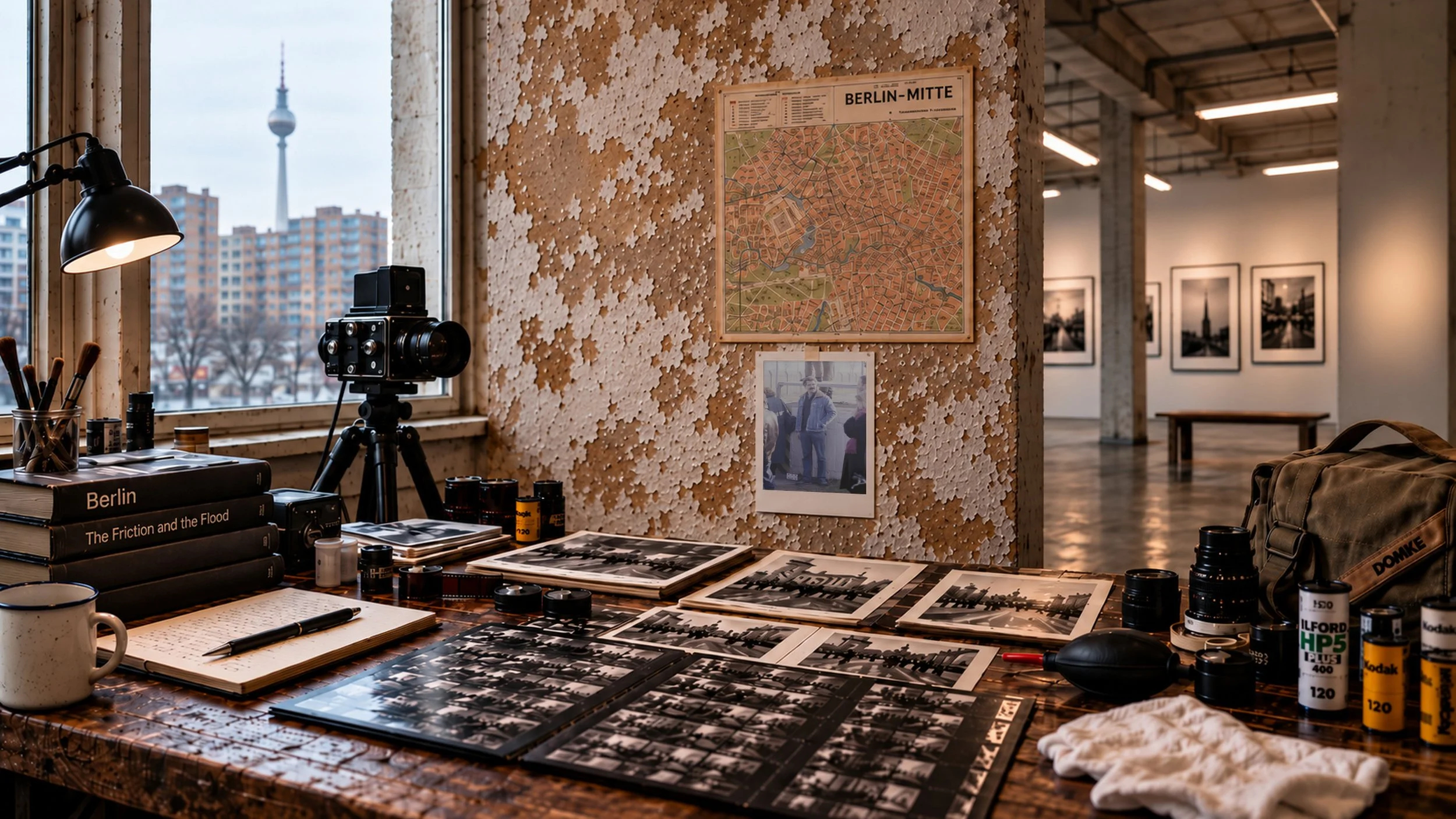
Berlin: The Friction and the Flood
I was still a young man when I first encountered Berlin in the mid-1980s. I travelled there regularly in the wake of my uncle Alex, who had anchored his own life there years before. In those days, the city felt like a well-kept secret, breathing a unique charm that has long since vanished.
The Berlin of that era was a tapestry of raw paradoxes. Grey concrete, watchtowers, and streets that bled abruptly into nothingness existed right alongside a neon-drenched sanctuary for exiles, artists, and dreamers. It was a place suspended between two worlds, caught in a twilight zone. And suddenly, there was this strange, exciting atmosphere when the city decided to rewrite its own history overnight. The Wall came down in November 1989 and I witnessed that historical event. East German citizens flooded into West-Berlin and for a while the city became the beating, restless heart of Europe.
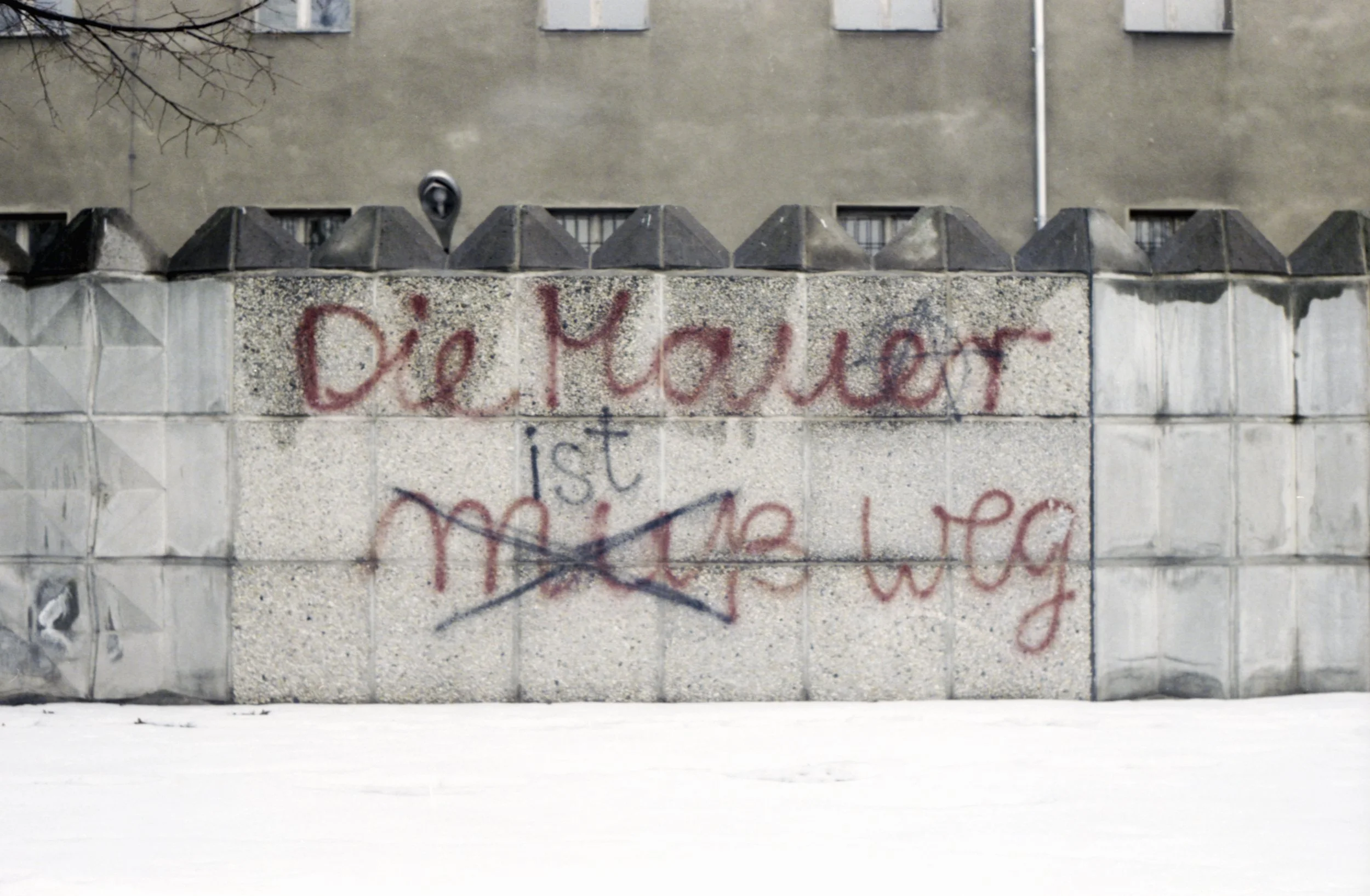
Despite its reinvention, Berlin remained a lifelong friend. The photographs I took during my visits were never intended as art. They were merely testimonies, hurried fragments of ordinary hours and untethered moments, captured without a single thought for their shelf life or commercial importance. Only now, decades later, they are still the quiet, grainy witnesses to a fractured city, and an era that has irrevocably slipped through our fingers.

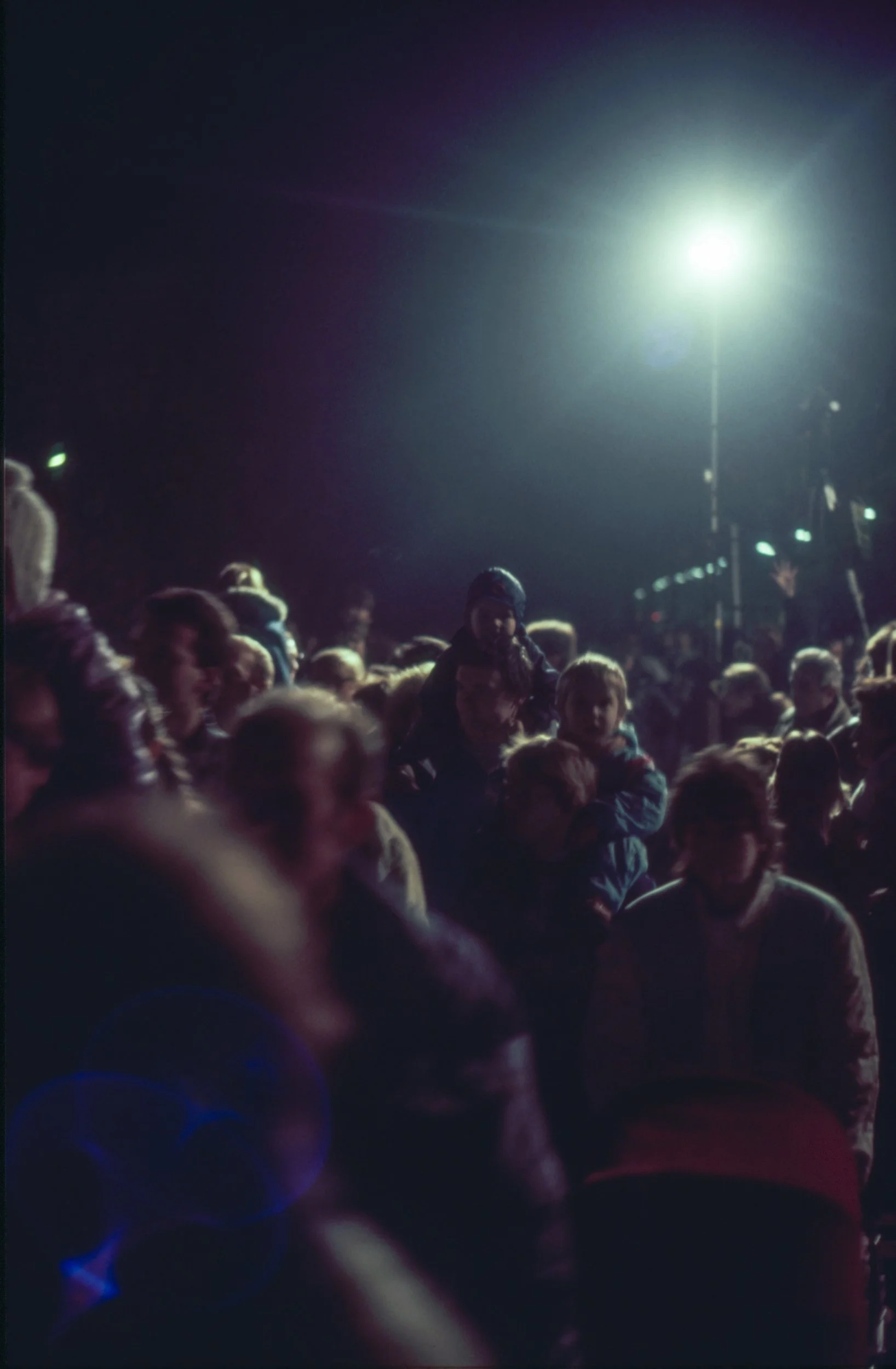
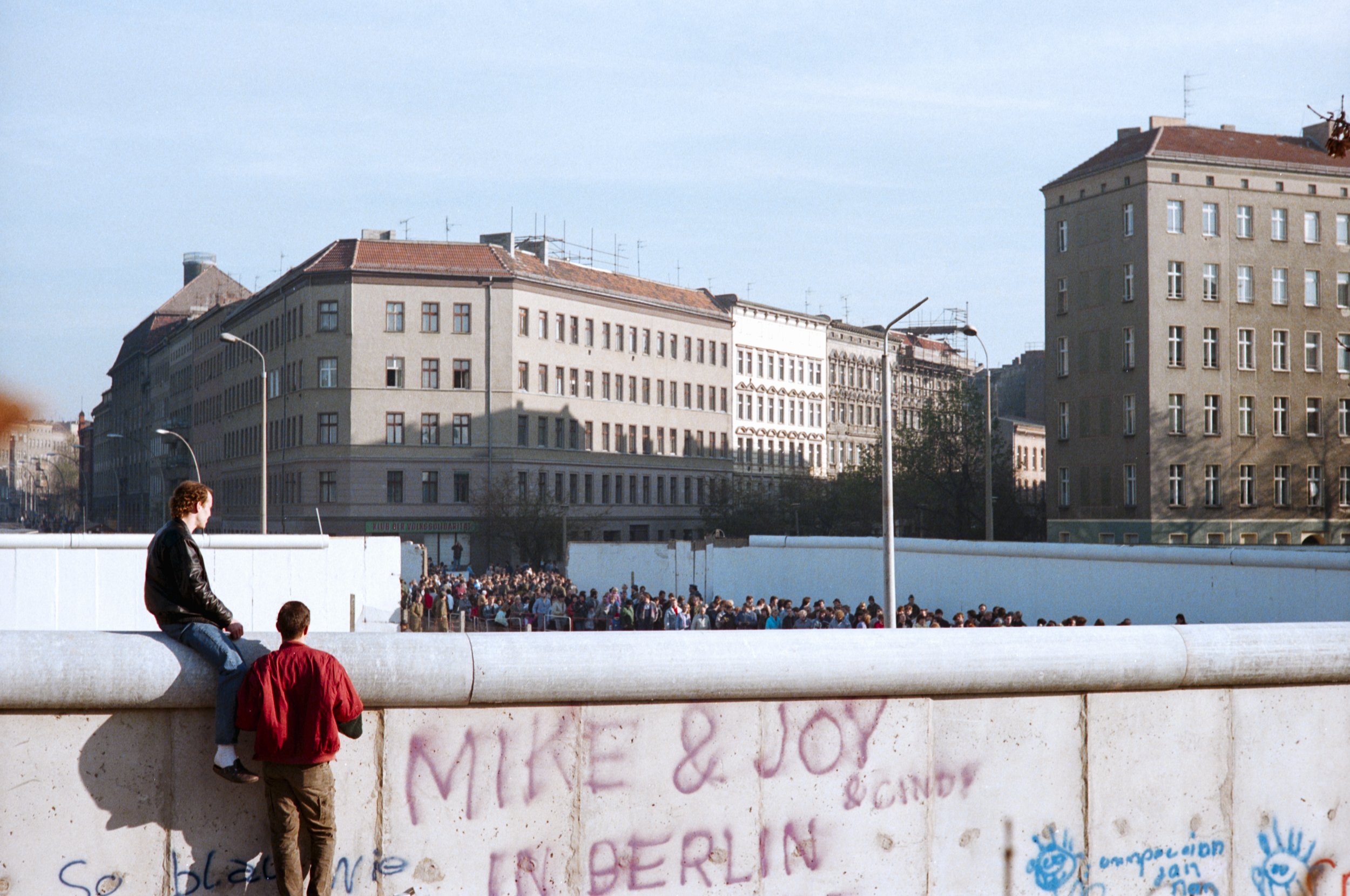
East German citizens crossing the border at Bernauer Straße, 1989
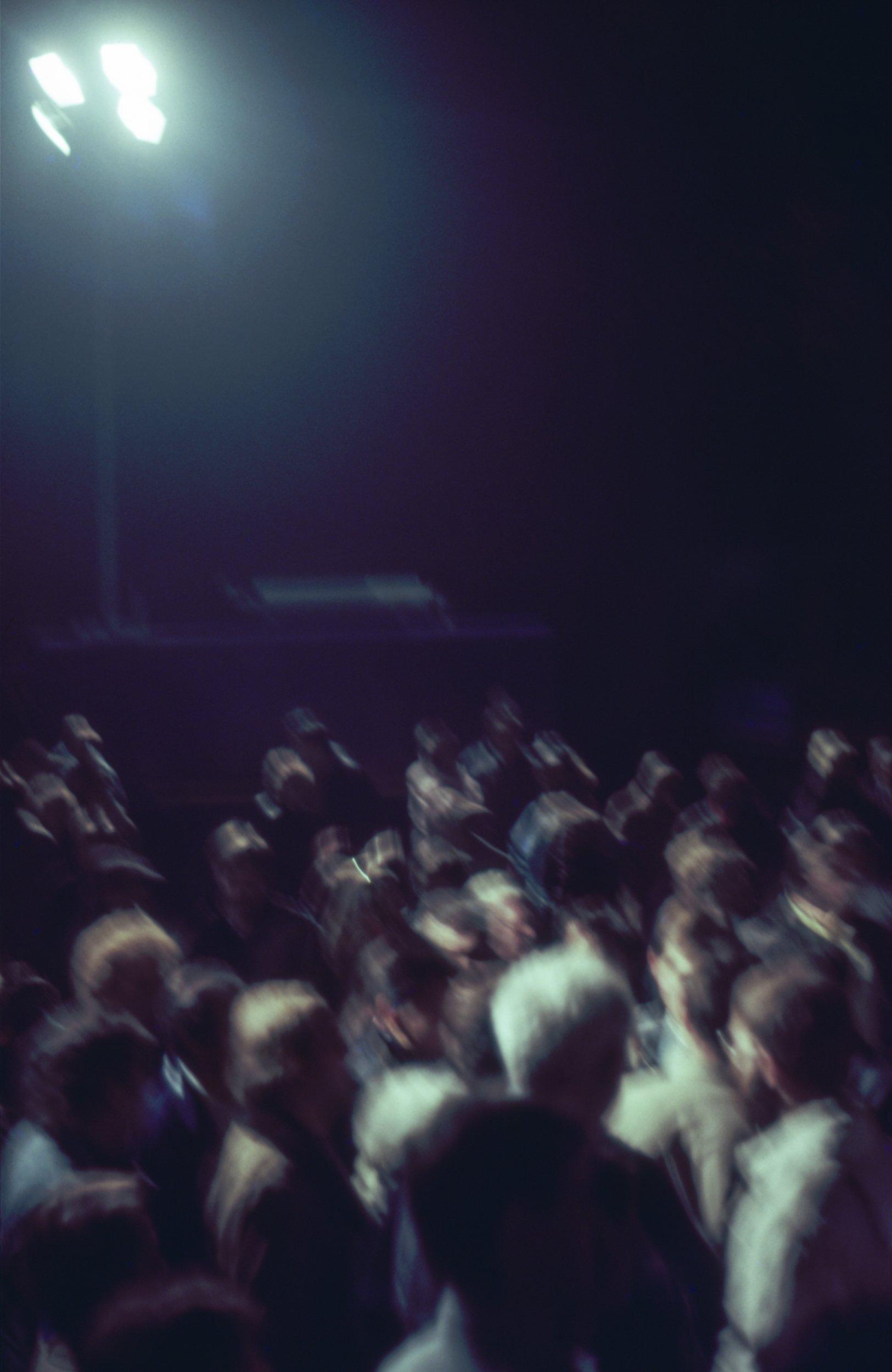
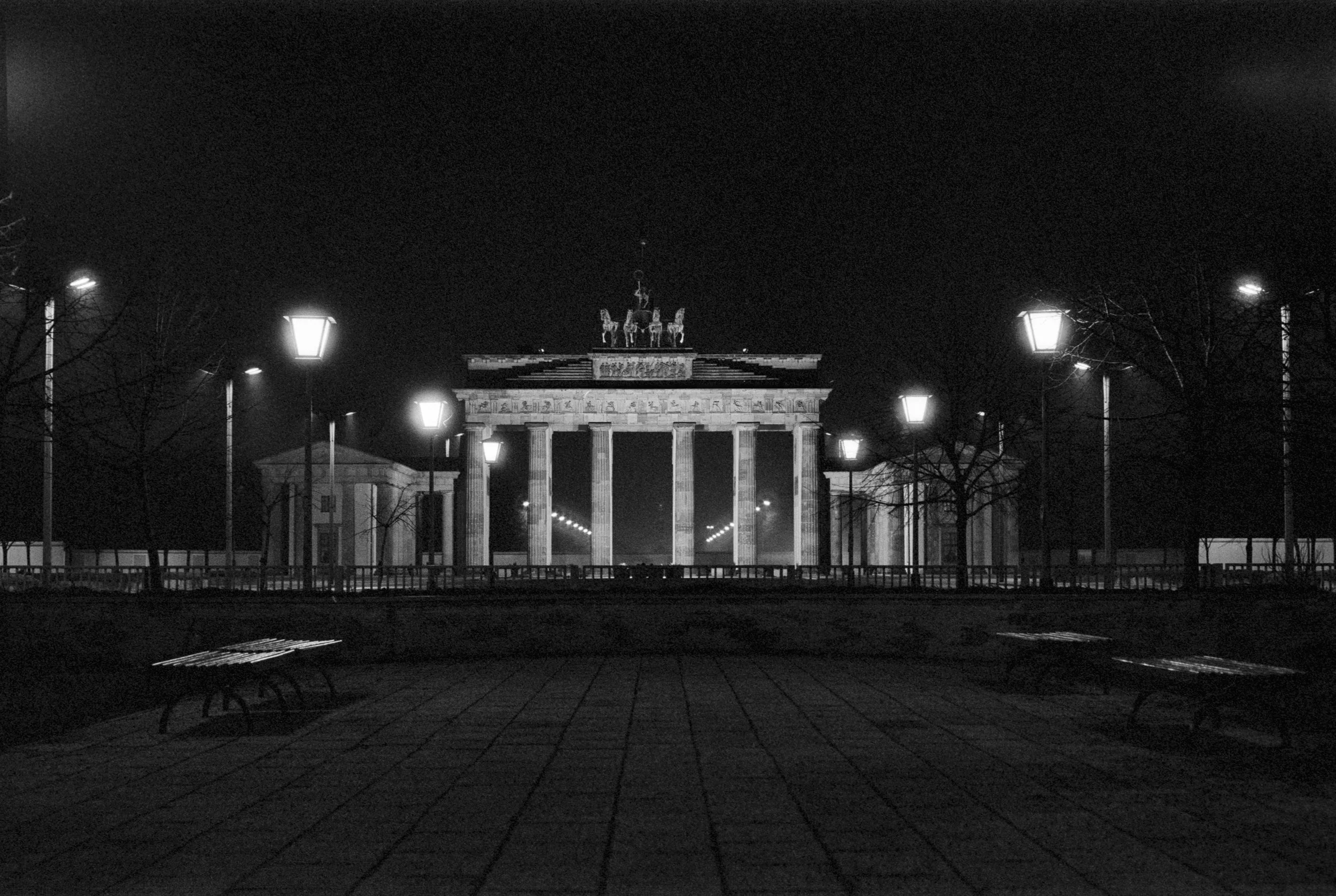
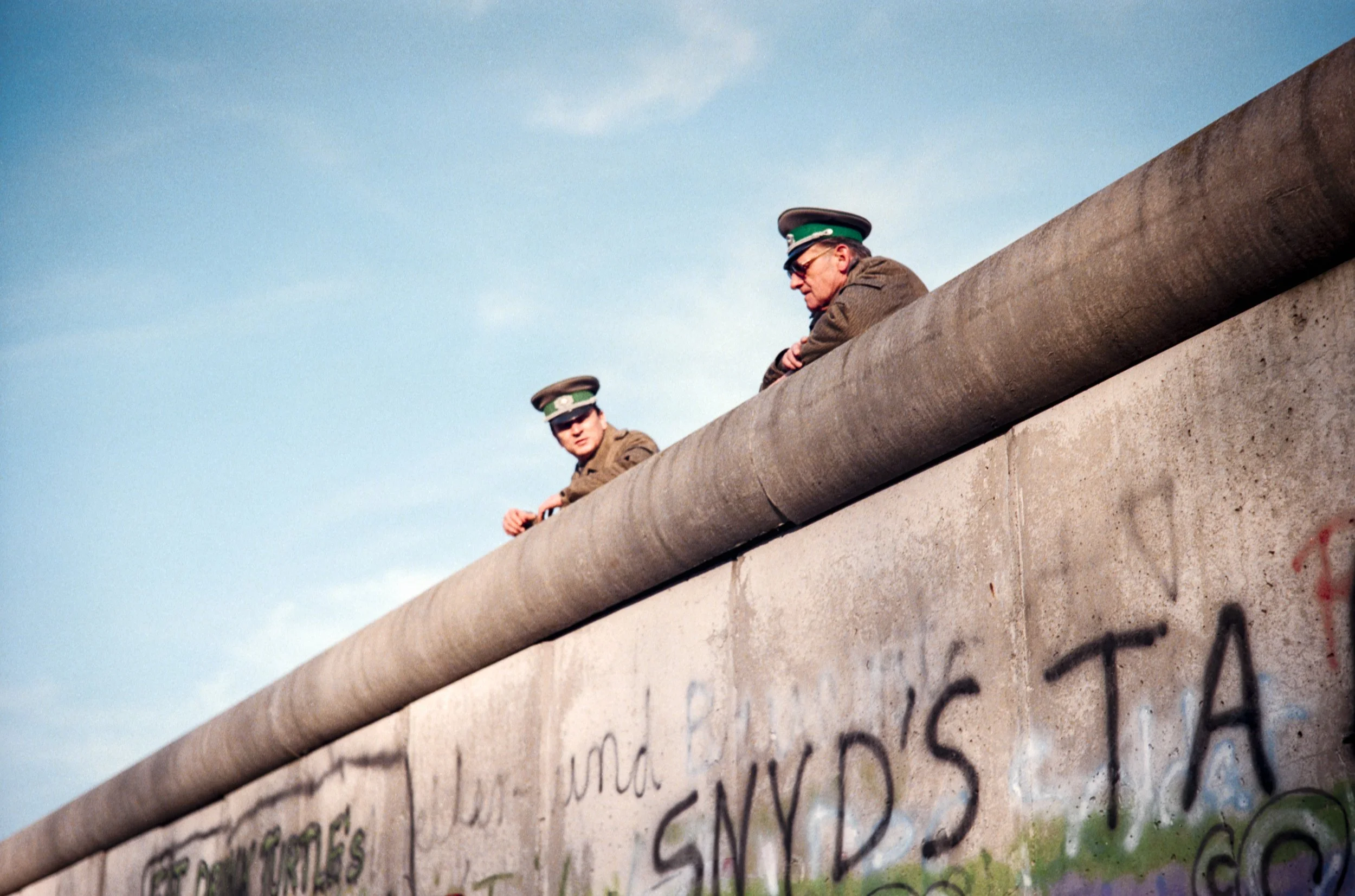
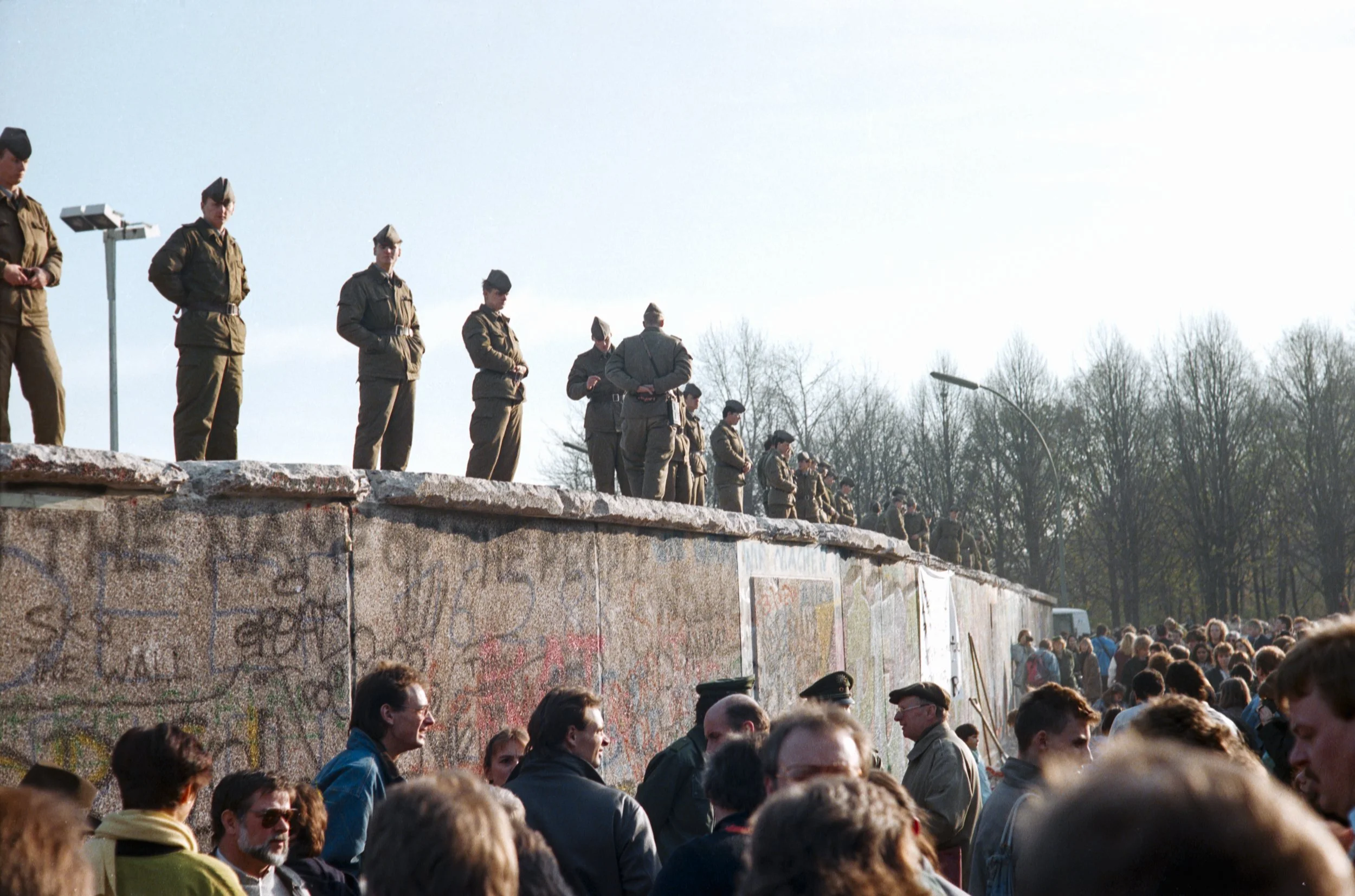
Fall of the Berlin Wall, 1989
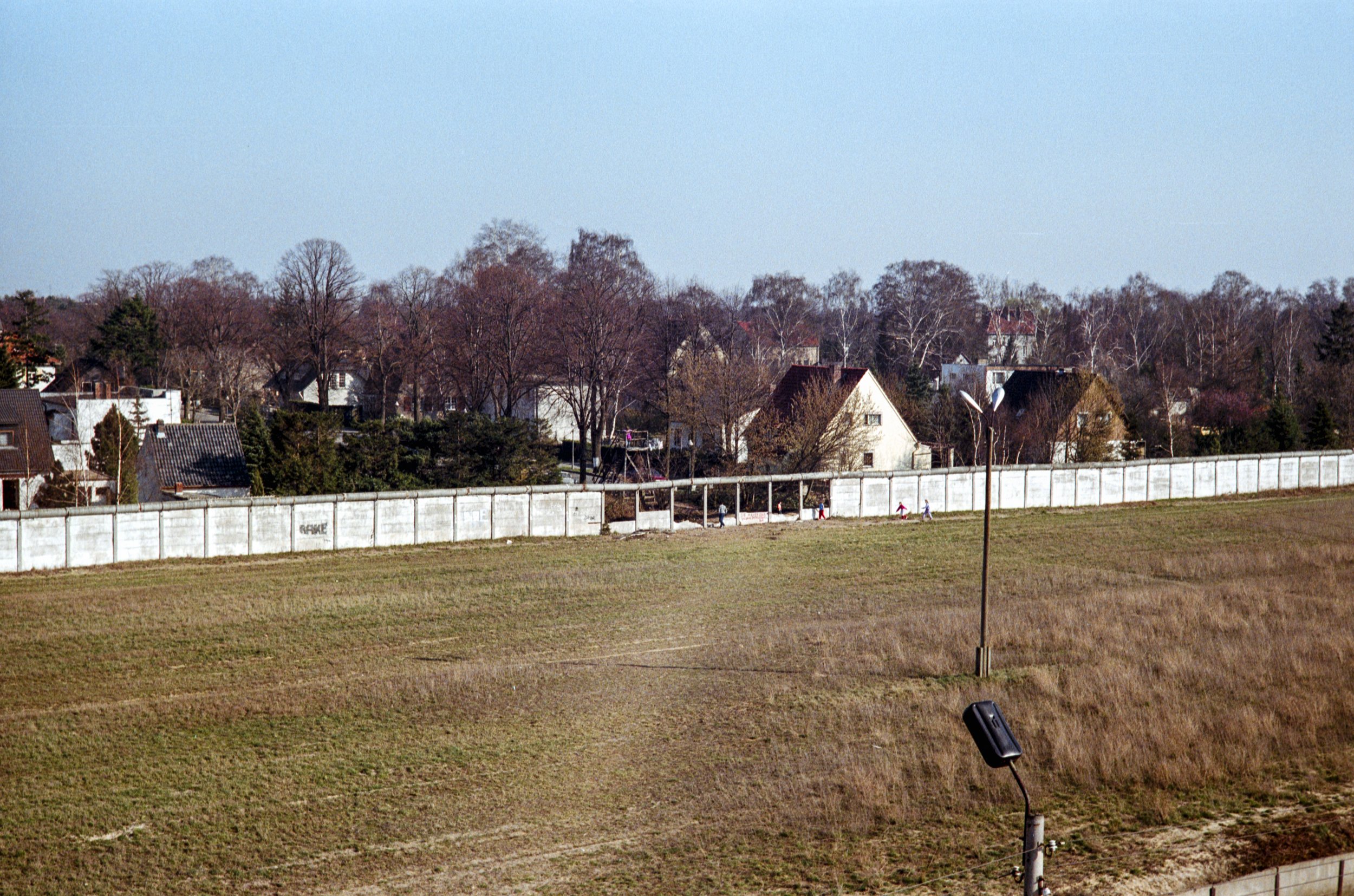
View from an East German watchtower, Berlin-Lichtenrade, 1990